


Google’s AI Overviews have changed the search results and traffic influx. The featured answer, pulled from a few cited sources, now sits above everything else.
The rest of the page stays ignored. Rankings still matter, but never guarantee visibility.
And the best thing is, you don’t need thousands of backlinks or a high domain authority to get mentioned in AI overviews. Any content that’s structured to answer questions directly, specifically, and in a format that Google’s AI can actually extract and use can appear at the top. Let’s have a look athow AEO can help you capture the AI overview spot.
What is AEO (Answer Engine Optimization)?
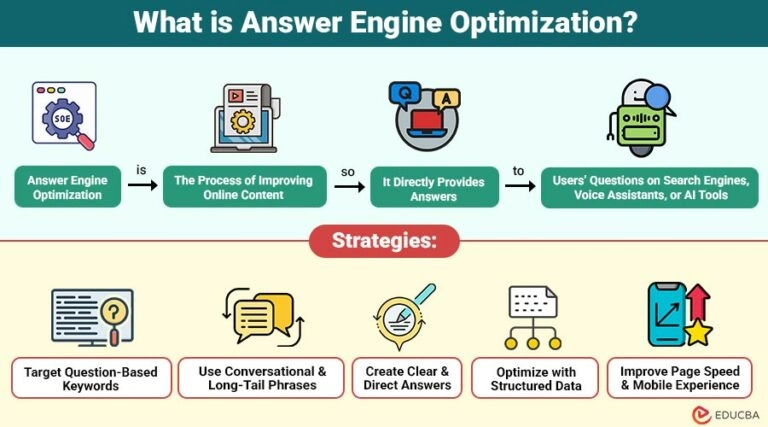
AEO (Answer Engine Optimization) is the optimization of your website content for AI systems and search engines to extract direct answers from it and present them to users without a click. In short, it is a technical content tactic that is built around how machines read.
Check out how it differs from traditional SEO:
| Factor | SEO | AEO |
| Target | Keyword rankings | AI answer inclusion |
| Optimization | For crawlers | For advanced AI systems |
| Main Metrics | Keyword position | Citations and visibility in AI results |
Did You Know?
40% of the sources cited by Google’s AI Overviews don’t even crack the top 100 organic results.
How Google AI Overviews Selects Content?
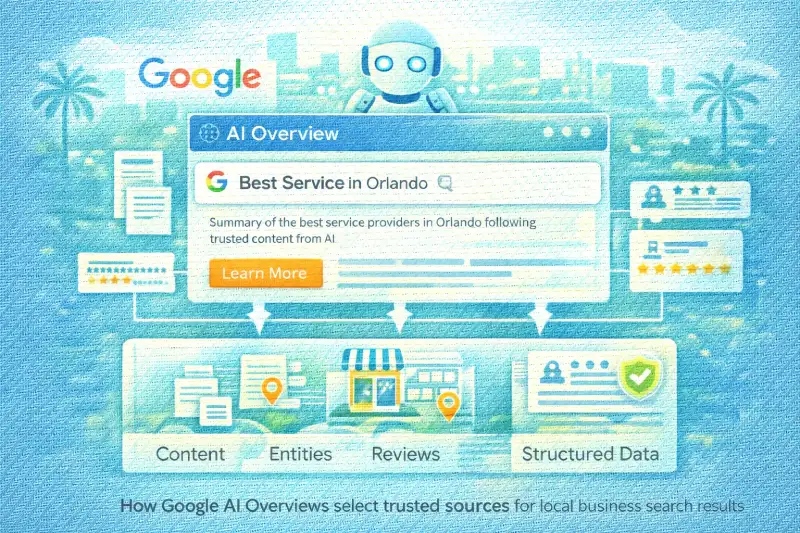
AI overviews prefer structured and clearly-worded answers from content that directly addresses a question. Here’s what you must and what to avoid:
| Content Cited By AI Overviews | Content That AI Ignores |
| Content beginning with a specific answer that fits the question | Content in which H2s and H3s don’t match how users ask questions |
| Content with complete topical coverage, interlinking, and source linking | No structured data |
| Organized content with lists and tables | Only one thin content on the specific topic |
| AI systems parse short and clean syntax faster | Passive and indirect language that decrease answer confidence |
How to Audit and Adapt Your Site for Consistent AI Overview Inclusion?

Auditing your site for AEO is about methodically checking whether your content is structured, clear, and authoritative enough for Google’s AI to pull and surface as a direct answer. It’s an ongoing process of making sure your content is in line with how AI systems read pages. Here’s how to do it:
Step 1: Find Your Answer-Gap Pages
First of all, sort out pages that rank on page 1 but never get pulled into AI overviews. Check out a strategy on how to find such pages and make them citable:
- Export Your Top 20 URLs from Google Search Console
- Manually search each target query and see if an AI Overview pops up
- Notice which pages are missing from the AI Overview, even though they rank well
Then, conduct an in-depth content audit on those pages and check whether the content is:
- Structured
- Schema implementation is done
- Properly linked
At Growth Vive, we can handle the entire audit process and optimize each page in accordance with the latest AEO principles.
Step 2: Rearrange Content for Direct Answer Extraction
Google’s AI pulls content that provides a quick and clear answer to a question. If your answer is hidden in a long paragraph, it will not be used. Rearrange those pages as follows:
- Answer the query in the first 1-2 sentences of the section. If possible, start with a definition
- Follow with context. You must explain the ‘why’ or ‘how’ in 2-3 short sentences
- Support with structure. Add a bullet list, numbered steps, or a comparison table
- Target question-form queries through FAQs in a conversational language
Step 3: Run a Monthly AEO Health Check
Everybody is well-versed with the concept of SEO audits. But how do you do an AEO audit? Let’s check it out:
| Check | What To Look For | Fix |
| Schema markup | Missing FAQ or HowTo schema | Add structured data via Google’s guidelines |
| Answer clarity | No direct answer in the first paragraph | Rewrite the opening sentence as a definition |
| Content Freshness | Stats older than 12 months | Update with current data and re-publish |
| E-E-A-T signals | No author bio or source citations | Add credentials and link to authoritative sources |
Did You Know?
96% of AI Overview citations come from sources with good E-E-A-T signals, like author bios, proper source citations, and clear credentials.
What Technical Optimizations Signal Google AI Overviews to Pull Your Website?
Google AI pulls content from websites that are easily parsable, trusted, and verifiable. But technical elements also have a big role in the citation process. Without that foundation, great content goes unnoticed.
Check out the main technical optimizations you need to do:
1. Structured Data
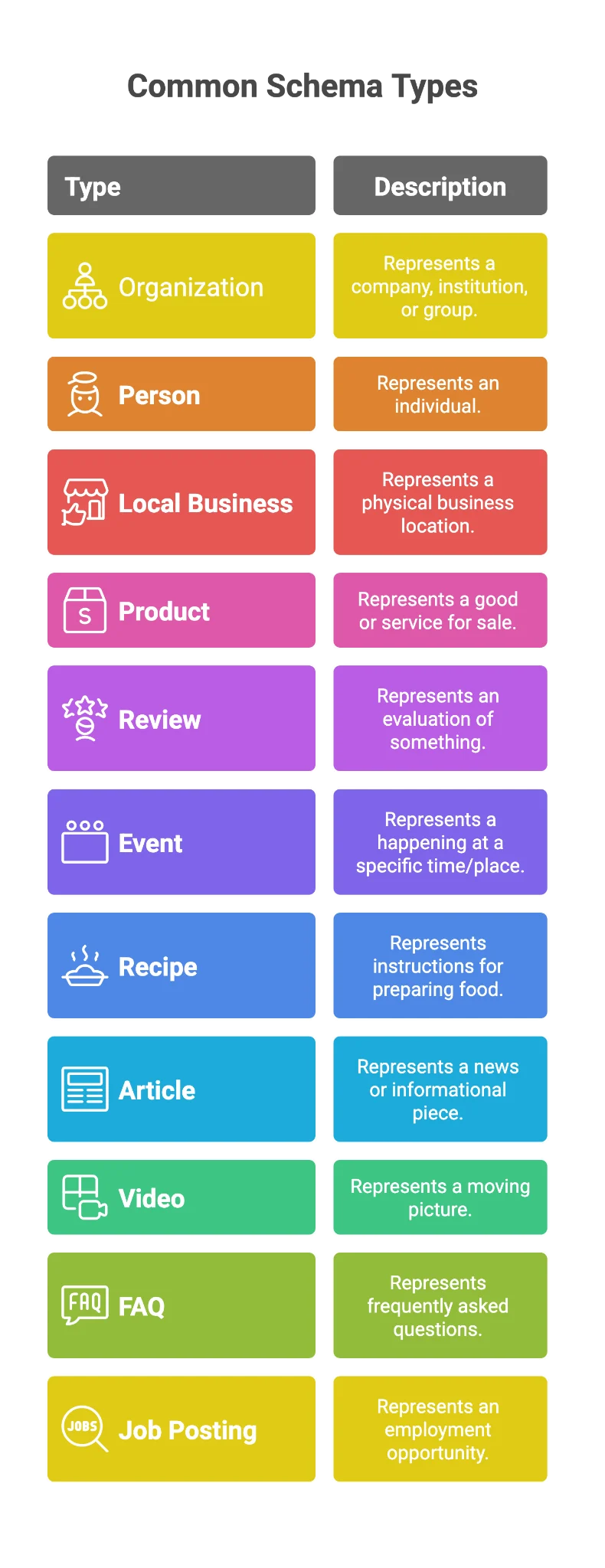
Structured data is code you put on your page that tells search engines what your content is. In simple words, it’s a translation layer between your words and what Google understands. There are different types of structured data:
- The FAQ schema wraps your Q&A content so Google reads it as a direct answer pair
- Article schema indicates content type, author, and publish date — all trust signals
- HowTo schema structures step-by-step processes that AI Overviews love to pull
- Speakable schema highlights specific sentences as top choices for voice and AI-generated answers
2. Page-Level Signals That Support AI Trust
Google’s AI prefers pages that show authority and clarity in a technical sense. These are the signals that shift the needle:
- Page speed is less than 2.5 seconds. Slow pages are a sign of poor maintenance, and get deprioritised
- Mobile-first indexing compliance
- HTTPS without mixed content errors
- Clean crawlability, without broken internal links or blocked resources in robots.txt
- Question matching Title Tags and H1s
Frequently Asked Questions (FAQs)
Conclusion
Ranking still matters, but it’s not the endgame anymore. The real win is getting your well-optimized page to be the answer Google’s AI likes to pick first. And since it’s something new, the industry is filled with many technical myths and half-baked truths, confusing marketing teams even more.
That’s where Growth Vive comes in. Our dedicated AEO team will optimize your content and implement the necessary technical improvements to help AI Overviews cite your website. Contact us today to discover how our AEO services can boost your visibility and drive more qualified traffic.
Want to make your best pages appear as featured answers? Let’s make it happen!